
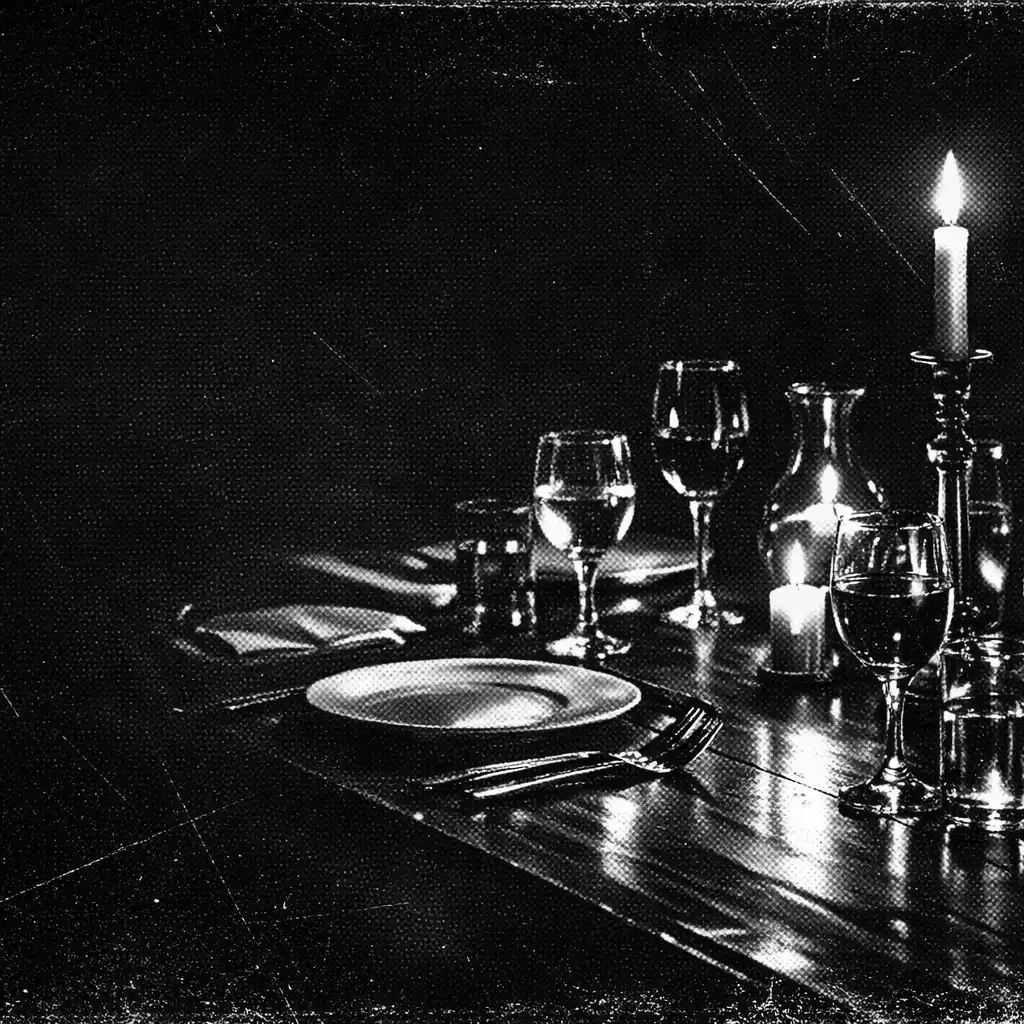
Where Light Reveals Only What Matters
Beyond the threshold, illumination narrows and sound settles into something deliberate. Glass catches a quiet gleam, surfaces hold their weight, and every movement feels considered. Entry is not announced—it is absorbed, as the room draws you into its pace.
Premium Pot and Plate exists less as a venue and more as a constructed scene—an environment where dining, play, and conversation are staged with intention. It is not defined by what is offered, but by how moments unfold within it. Each table becomes a point of focus, each exchange a quiet performance shaped by proximity, light, and restraint.
Evenings take different forms without losing their character. A private dinner reads like a slow-burning narrative between familiar faces. A poker night introduces rhythm and tension, where observation becomes as important as action. Corporate gatherings shift the tone toward strategy, where dialogue replaces presentation and subtlety carries influence.
Spatial Arrangement
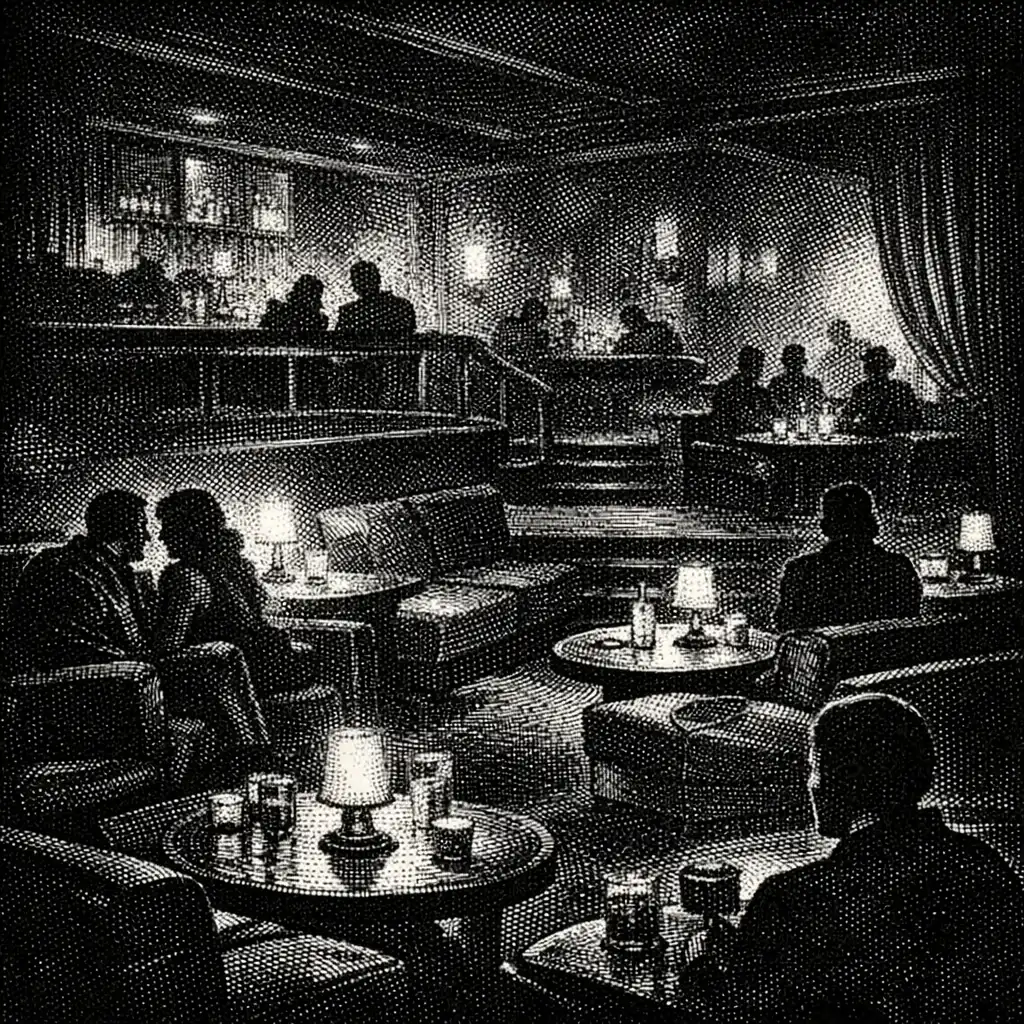
The room is divided without obvious boundaries. Tables anchor the centre, illuminated with precision, while lounge edges recede into softer gradients of shadow. Private corners hold their own gravity, offering distance without disconnection. Each zone feels intentional, defined less by walls than by light and proximity.
Movement through the space is gradual and unforced. Guests arrive into a subtle pause, settle into their position, and begin to navigate between table, edge, and corner as the evening evolves. The transition is natural—conversations shift, attention redirects, and the room quietly reshapes itself around those within it.
Light and Shadow
Light is directional, deliberate, and restrained. It falls across tables in controlled beams, revealing surfaces and gestures while allowing the surrounding space to withdraw. Faces are partially defined, expressions suggested rather than fully exposed. The result is a shifting balance between clarity and concealment.
This interplay creates a distinct emotional tension. Guests lean inward, voices lower, and attention sharpens. The room does not overwhelm; it focuses. What is illuminated feels important, while everything beyond the edge of light invites speculation, sustaining a quiet sense of intrigue.
The Table as Stage
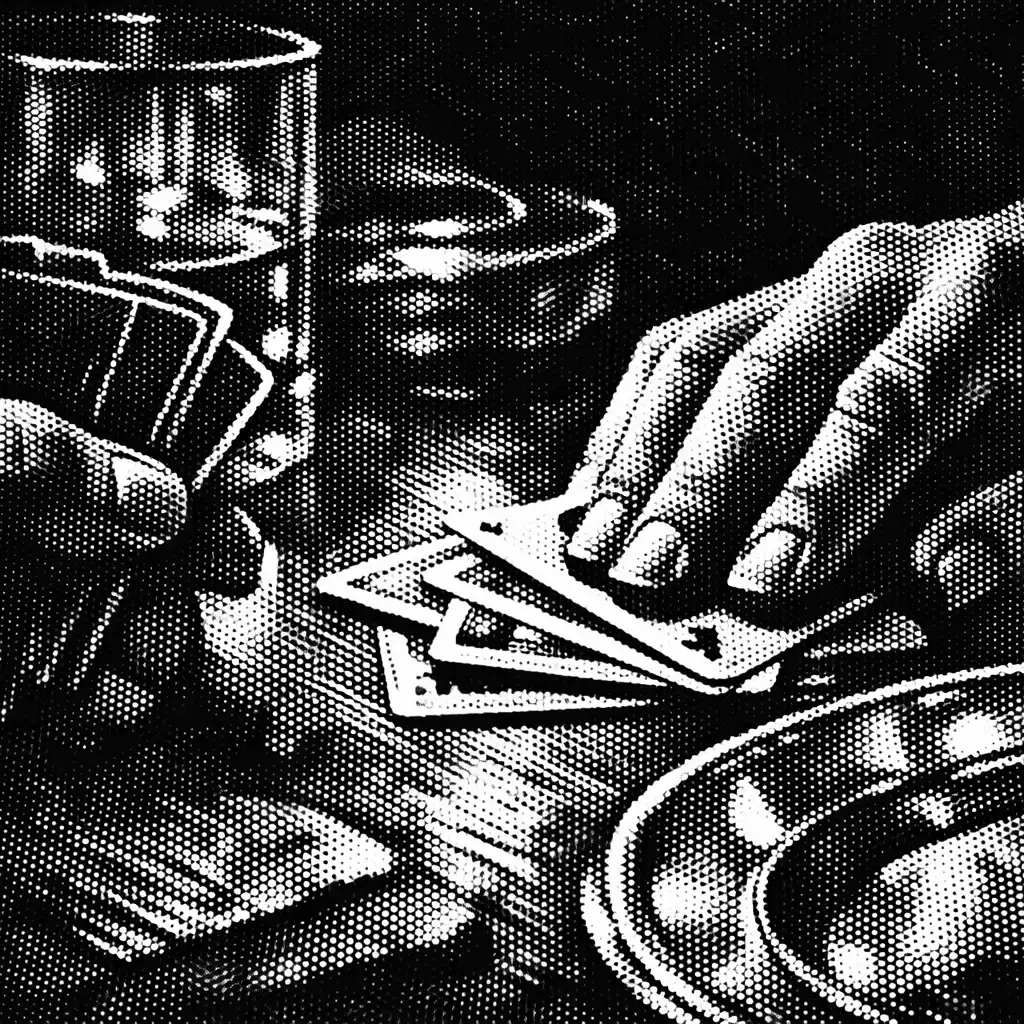
At the centre of every interaction sits the table—an anchor for gesture, exchange, and subtle narrative. Hands move between glass, plate, and card with measured intent, sharing the same surface without competing for attention. The table holds each moment, allowing it to unfold in a contained, visible frame.
Details carry weight. The edge of cutlery against porcelain, the reflection within a glass, the texture of cards passing between fingers—each element contributes to the rhythm of the scene. Sound remains quiet but present, reinforcing the tactile experience and grounding every interaction in something tangible.
Sound and Silence
Sound within the space is layered but restrained. Low conversation moves between tables without rising above them, while subtle movements—chairs adjusting, glass meeting surface—form a quiet texture. There is no dominant soundtrack, only the natural cadence of interaction shaping the atmosphere.
Moments of silence are not interruptions but intensifications. A pause before a decision, a glance held slightly longer than expected—these intervals draw attention to the smallest gestures. In these spaces between sound, awareness sharpens and the experience becomes more deliberate.
Private Evenings
Smaller gatherings unfold with a sense of control and intimacy. Conversations remain contained, shaped by familiarity and the surrounding quiet. Each guest becomes fully present, with the environment reinforcing focus rather than distraction.
Poker Nights
Structure defines the evening. Cards move in measured sequences, attention shifts between players, and observation becomes part of participation. Tension builds gradually, sustained by rhythm rather than spectacle.
Corporate Functions
Professional gatherings adopt a quieter, more strategic tone. Dialogue replaces presentation, and the setting encourages careful exchange. Decisions emerge through conversation, supported by the room’s composed atmosphere.
Guest Perspective
To enter the space is to become both participant and observer. Attention moves outward and inward at once—watching gestures across the table while remaining aware of one’s own presence within the room. This dual role heightens every interaction.
The experience is shared yet personal. Conversations unfold in parallel, silences align, and small gestures carry meaning across the table. Each guest contributes to the atmosphere while interpreting it in their own way, creating a layered, collective moment.
Access to the space is intentionally measured. Evenings are arranged with care, allowing each gathering to retain its sense of focus and atmosphere. Entry is considered rather than assumed, shaping an experience that remains consistent and deliberate.
Step Into the Room
Availability is limited and shaped around each evening’s intent. Secure your place or begin an enquiry to experience the space as it was designed—quietly, deliberately, and without interruption.
Book or Inquire