
The Chronicle Concept
This journal exists to capture something less obvious than flavour. It documents timing, hesitation, the weight of silence between courses, and the subtle choreography of service. Here, food is not judged—it is observed. Each plate is treated as evidence of a moment: who was present, what was said, what remained unsaid. Guests are not spectators but participants, their choices and gestures shaping the unfolding narrative. Over time, patterns emerge, not as repetition, but as echoes that define the character of each evening.
Food as Narrative Device
Dishes are arranged not just for taste but for pacing. A sharper note might interrupt a rising conversation; a slower, richer course can draw a room into reflection. Texture becomes dialogue—crisp against soft, warm against cool—mirroring the rhythm at the table. Even plating carries intent: negative space, precise placement, and restrained colour direct attention the way a frame guides a scene. The result is not a sequence of courses, but a progression of emotional beats.
Case Entry 01: The First Plate
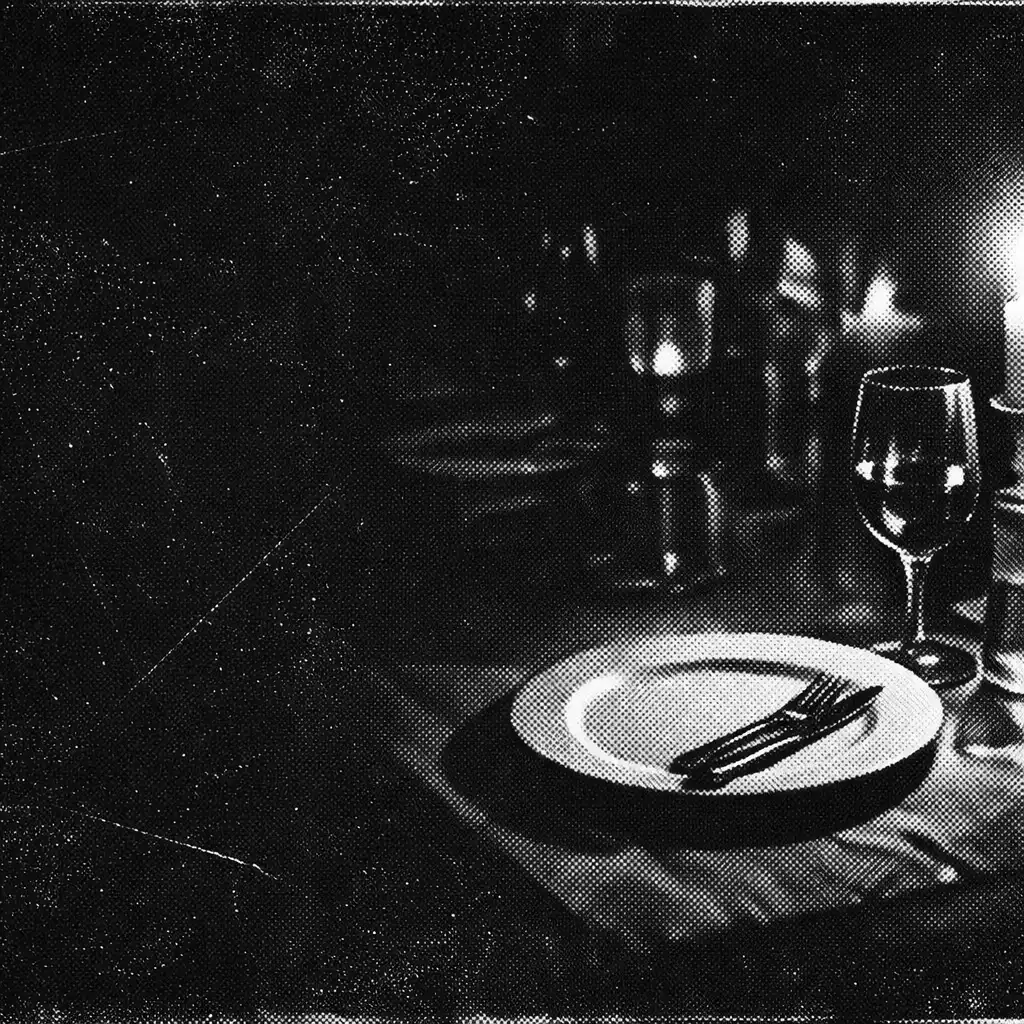
The room settles before the first arrival. A server moves without announcement, placing the plate at the centre as though it has always belonged there. Light catches its surface briefly, then recedes, leaving only a defined outline against shadow. Conversation pauses—not abruptly, but enough to register a shift. Eyes follow small movements: a hand adjusting cutlery, a glass nudged aside. The dish does not demand attention; it gathers it. In that moment, the table becomes a stage, and the plate, a quiet reveal.
Closer inspection reveals contrasts that resist easy description. A surface that appears smooth fractures under pressure, giving way to something unexpectedly layered beneath. Aromas rise in measured intervals rather than all at once, creating a slow introduction rather than a declaration. Each element seems placed to challenge expectation—cool notes interrupt warmth, restraint offsets depth. The experience lingers not as a single impression, but as a sequence of discoveries that continue even after the plate is cleared.
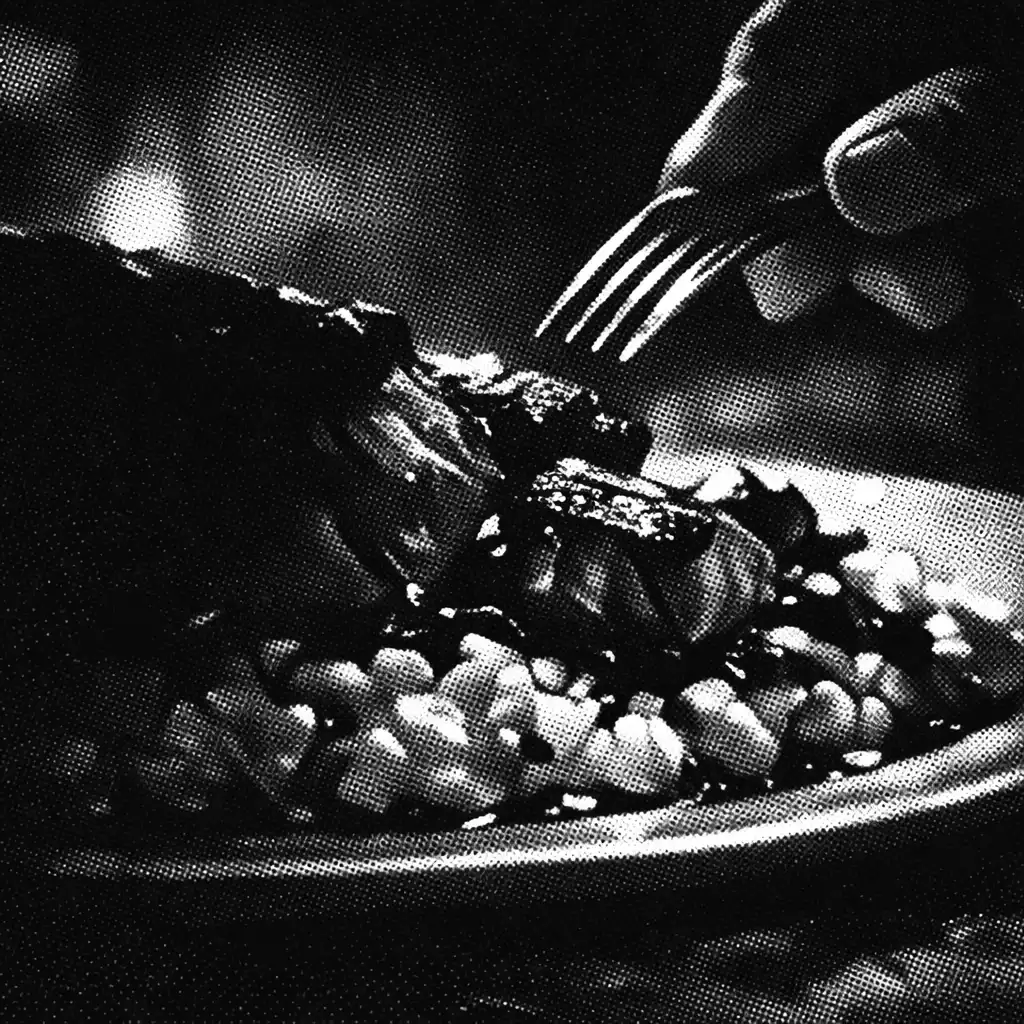
Hands pass a plate across the table, fingers careful not to disturb its arrangement. The gesture is brief, almost unnoticed, yet it carries a quiet agreement—this is meant to be shared, not claimed.
Glass catches a narrow line of light, reflecting it across the surface like a signal. No one comments, but the room adjusts, leaning slightly into the moment.
A deck rests beside cutlery, untouched for now. The suggestion of play lingers, waiting for the right pause between courses to enter the evening.
Contrast and Control
Each dish operates within a precise balance. Presentation remains minimal, but within that restraint, intensity emerges. A single bold element might define the entire plate, held in place by quieter components that sharpen its impact. Texture plays a decisive role—firm against yielding, crisp against fluid—ensuring that every interaction is deliberate. Nothing is excessive, yet nothing feels withheld.
Late-Night Palate
Flavours are calibrated for the hour. As the evening deepens, richness is introduced carefully, never overwhelming the senses. Courses arrive with enough clarity to sustain attention, allowing conversation to continue without interruption. The pacing acknowledges that guests are not rushing; they are settling in, letting each moment extend just long enough to leave a trace.
Shared Ritual
Plates are designed to move across the table. Portions encourage interaction—passing, dividing, reconsidering. This exchange breaks the formality often associated with dining, replacing it with a more fluid dynamic. Guests lean in, not just to taste, but to engage. The act of sharing becomes part of the narrative, reinforcing the sense that each evening is constructed collectively.
Case Entry 02: The Quiet Course
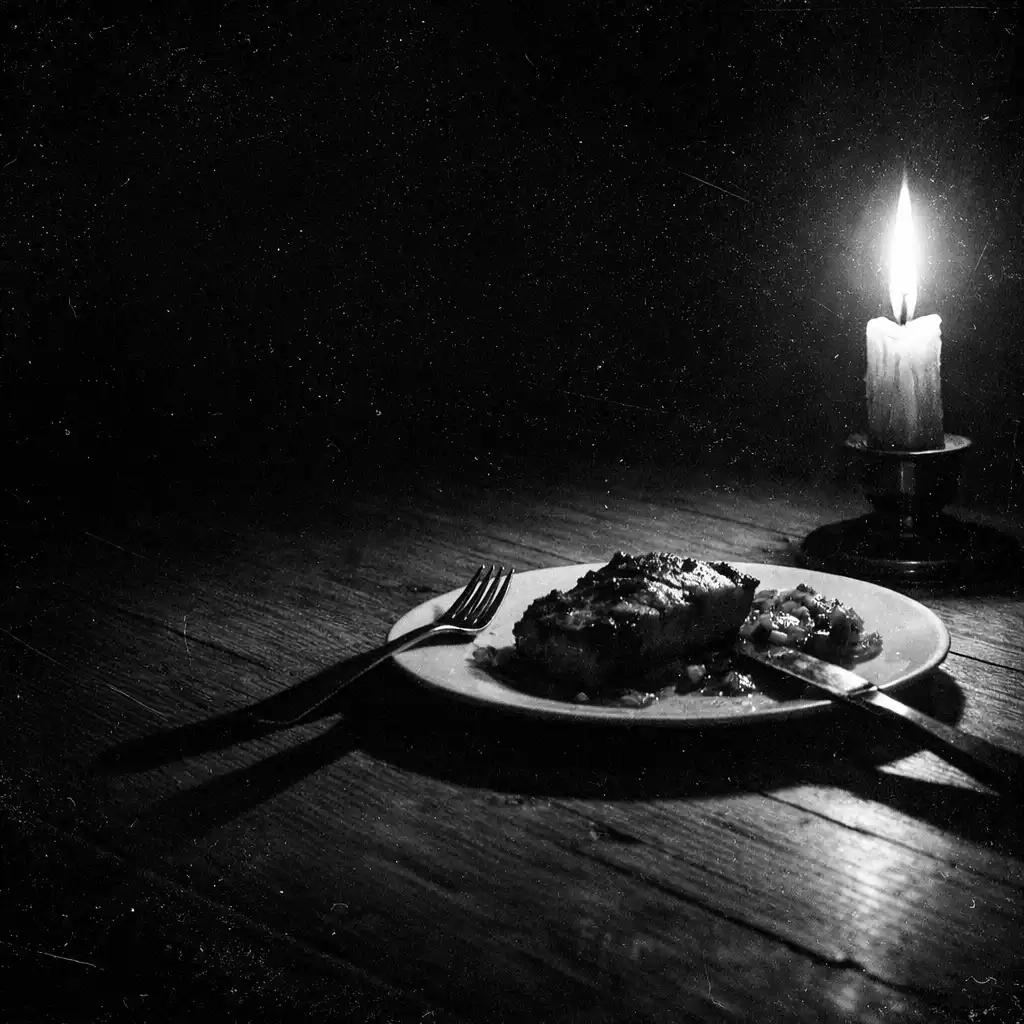
By mid-evening, the room has changed. Light lowers almost imperceptibly, drawing focus inward. Conversations soften, no longer competing for space but settling into measured exchanges. When the next course arrives, it does so with less ceremony. There is no need for introduction; the table is already attentive. Movement slows—utensils lifted with intention, pauses held a fraction longer than before. The energy shifts from anticipation to reflection.
This course acts as a reset. Its presentation is restrained, almost austere, directing attention to a single idea rather than multiple elements. Flavour is focused, clean, and deliberate, offering clarity after earlier complexity. It invites a moment of stillness, a chance to recalibrate before the evening continues. In that pause, the experience becomes more than cumulative—it becomes considered.
Structure of an Evening
An evening begins quietly, with arrivals that feel unhurried. Opening plates establish tone without overwhelming, allowing guests to orient themselves within the space. As the night progresses, courses align with shifts in conversation and energy—some punctuating lively exchanges, others drawing the room into slower reflection. There is no rigid schedule; timing responds to the table itself. Closing moments arrive gently, often marked by a final shared element that signals the evening’s conclusion without fully resolving it.
Throughout, food and play coexist without interruption. Poker rounds or social games unfold between courses, their rhythm subtly supported by service that remains present but unobtrusive. Dishes arrive at natural breaks, enhancing rather than competing with the tension at the table. The result is an experience where dining and interaction are inseparable, each reinforcing the other.
Guest Perspective Notes
Over multiple evenings, patterns of response emerge. Guests rarely speak in superlatives; instead, their reactions are measured, often expressed in the way conversations continue long after plates are cleared. There is a sense of quiet satisfaction—an understanding that the experience cannot be reduced to a single highlight. Many return, not to repeat what they had before, but to see how the narrative will shift.
The environment leaves a lasting impression. Lighting, pacing, and sound combine to create an atmosphere that lingers beyond the table. Details resurface later—a reflection in glassware, the timing of a particular course, the way a room seemed to hold its breath. These elements form a memory that is less about what was eaten and more about how it felt to be there.
Closing Frame
The final moments do not resolve the evening so much as release it. Chairs shift back, conversations taper, and the last traces of light settle into shadow. What remains is not a clear conclusion, but a sense of something ongoing—an impression that the story continues elsewhere, beyond the table. Guests leave with fragments rather than summaries, carrying them into the night with the quiet expectation of returning.