
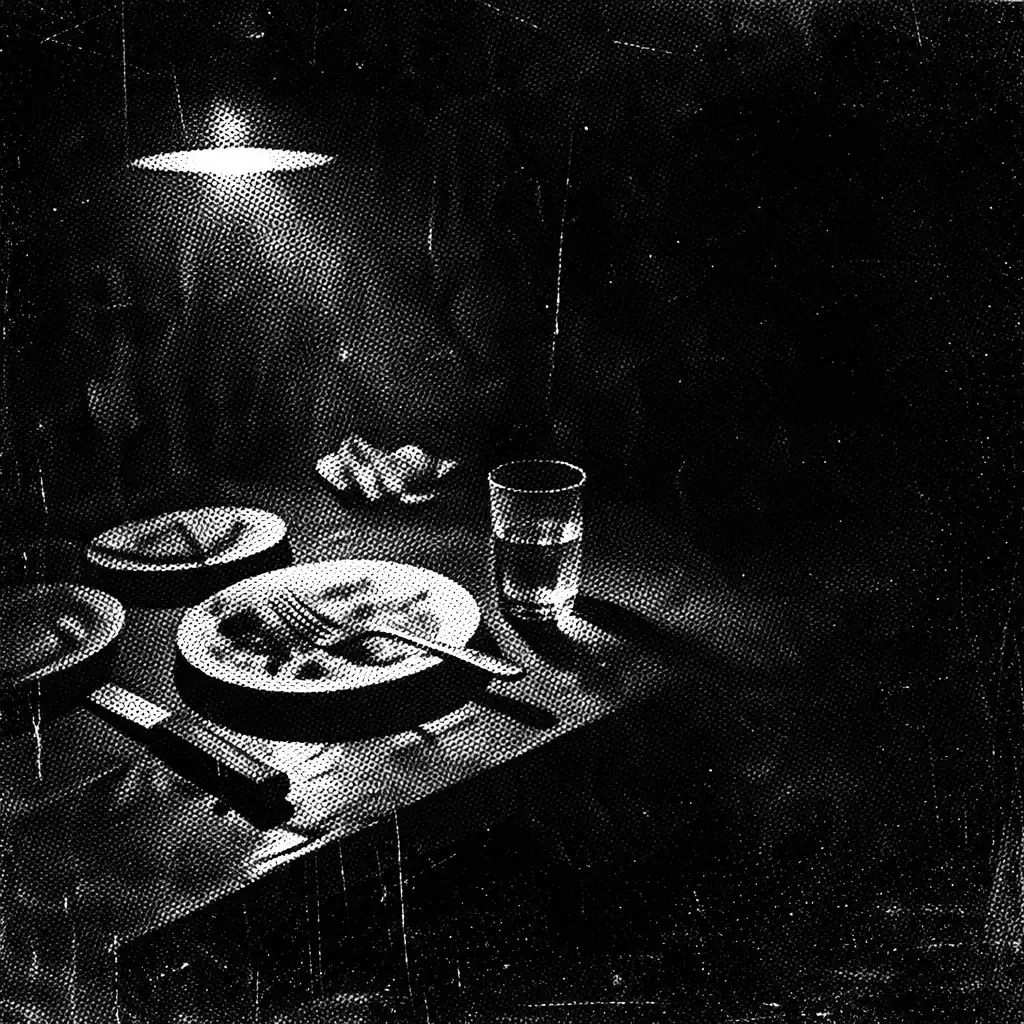
The Case File Never Truly Closes
Each entry is a record of atmosphere—captured in fragments of conversation, gesture, and quiet tension. These are not reviews but observations, assembled into a living archive where dining, play, and presence are documented with deliberate restraint.
Enter FilesThe case file is not a catalogue of venues or menus. It is an investigation into how people behave when the light lowers and attention sharpens. Each piece reads as a record—an account of a moment where dining becomes something more than consumption. It is about posture, timing, silence, and the small decisions that reveal intention.
The tone draws from noir tradition—shadow, ambiguity, and a refusal to resolve too quickly. Scenes are framed with restraint, allowing what is unsaid to hold equal weight to what is spoken. The result is cinematic without excess, composed without becoming predictable.
These stories exist to be read, but also to be entered. The archive reflects experiences that can be recreated, adapted, and inhabited. Guests are not observers alone; they become part of the narrative, shaping the same atmosphere that first inspired the record.
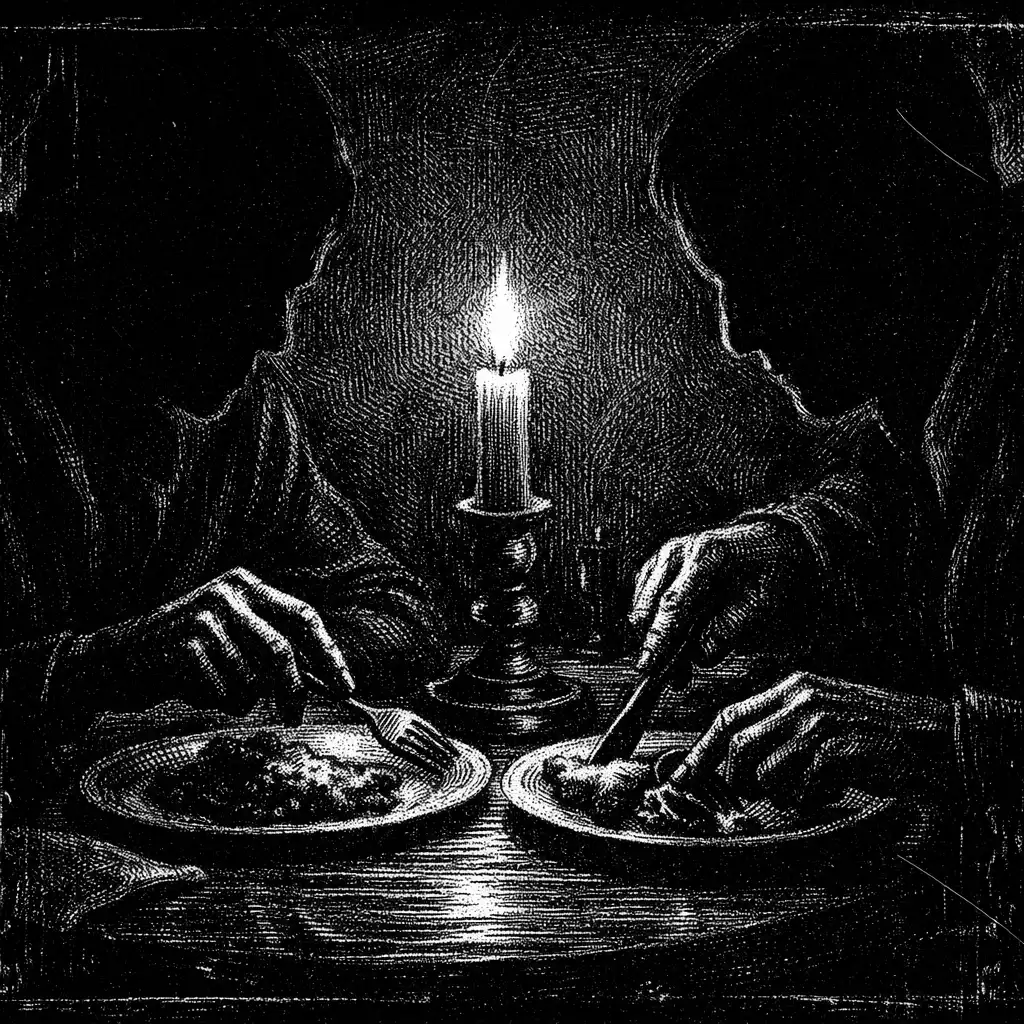
A dinner unfolds in careful increments. A glance held too long, a pause before the next course, a question asked without expectation of answer. The table becomes a stage where intention is tested and withheld, leaving the outcome suspended somewhere between courtesy and confrontation.
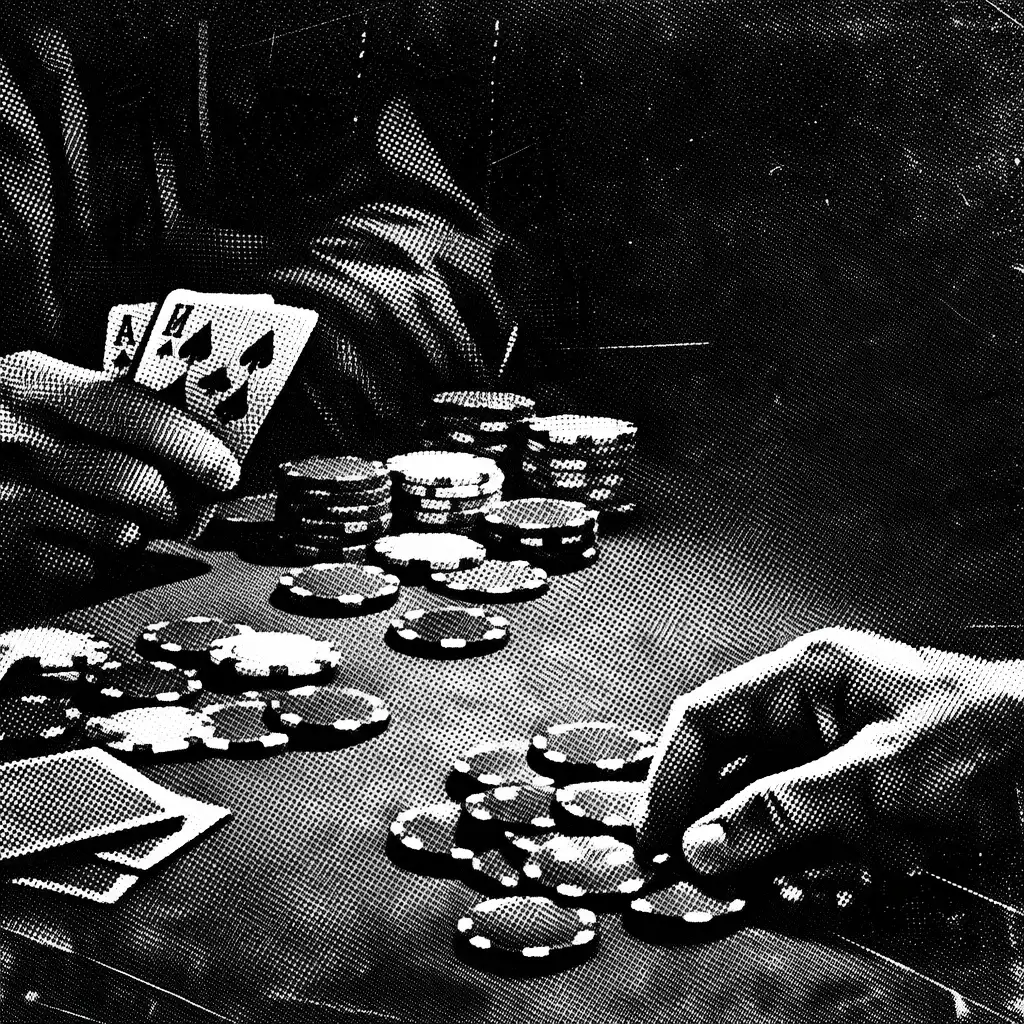
The cards are only part of the exchange. Fingers hover, chips shift, and silence carries more weight than speech. Each movement suggests strategy, but nothing confirms it. The room tightens around decisions that may never be explained, only observed.
In a private celebration, laughter arrives easily but never fully settles. Beneath the surface, alliances form and shift in quiet ways. The setting suggests ease, yet every detail—placement, timing, tone—carries a subtle charge that refuses to disappear.
Dining Encounters
Moments shaped around the table, where conversation and restraint define the experience. These entries focus on subtle exchanges, the rhythm of courses, and the quiet signals that pass between guests.
Games & Strategy
Stories built on tension and decision-making. Poker evenings and structured play reveal how individuals negotiate risk, silence, and perception under pressure.
Private Affairs
Intimate gatherings where familiarity does not remove complexity. Celebrations carry layered dynamics that unfold gradually, often without resolution.
Corporate Evenings
Structured settings where professionalism meets underlying tension. Power, hierarchy, and negotiation emerge through small, deliberate interactions.
The glass remained untouched long enough to draw attention, though no one acknowledged it directly. A hand moved toward it, then paused, redirecting instead to the edge of the plate. Across the table, someone noticed. Not the gesture itself, but the hesitation within it. Conversation continued, but its rhythm had shifted. Something had been introduced—uncertain, unresolved—and it lingered just beneath the surface, waiting to be named or dismissed. Neither happened. The moment held, stretched, and quietly altered everything that followed.
Observation
Each case begins with attention to detail. A shift in posture, a delayed response, or an unexpected silence becomes the starting point. The goal is not to interpret immediately, but to record with clarity and restraint.
Interpretation
Moments are shaped into narrative without forcing resolution. Ambiguity is preserved, allowing the reader to engage with the tension rather than resolve it. Meaning remains open, guided but not defined.
Curation
Only select entries become part of the archive. The process favours moments that hold presence—scenes that continue to suggest something beyond what is visible, maintaining a sense of exclusivity.
Hands, gestures, and fragments—evidence of presence in motion.
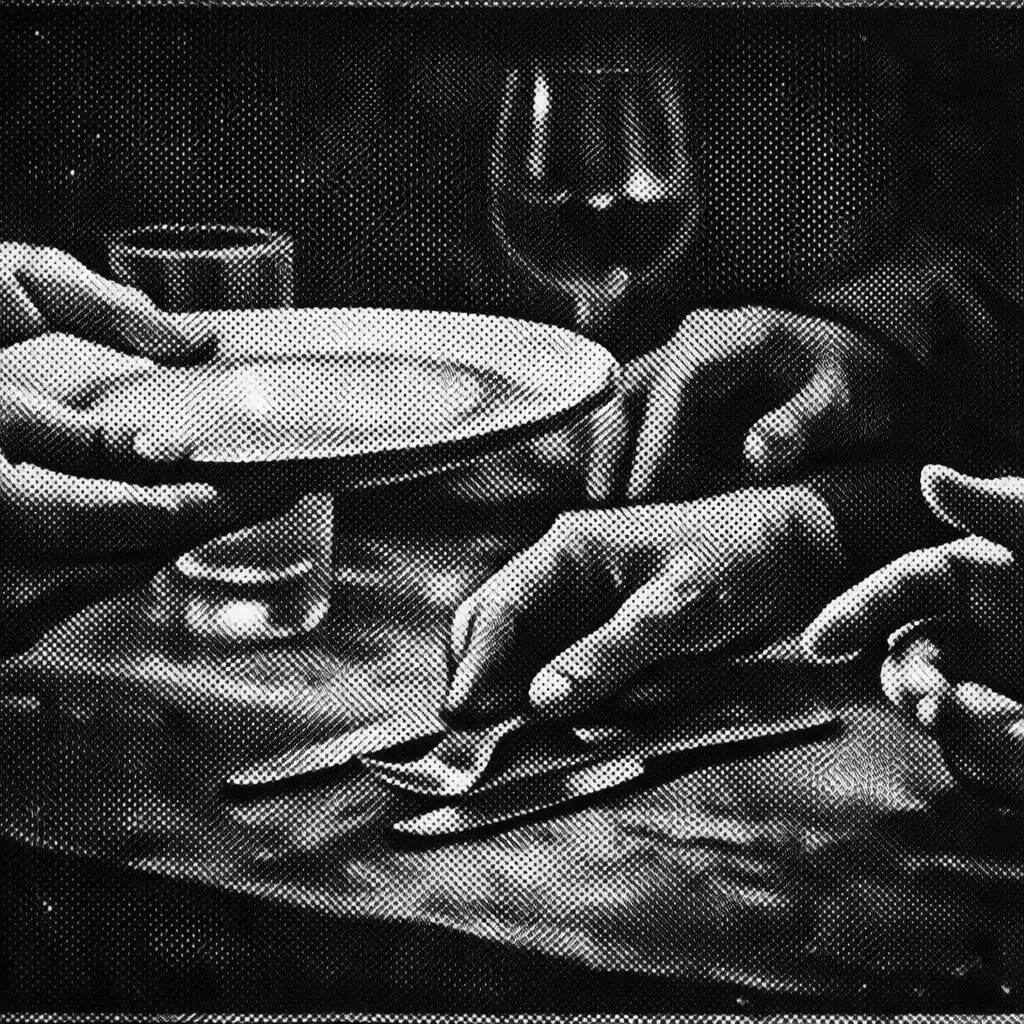
These records are not detached from reality. They are drawn from experiences that can be arranged, hosted, and inhabited. The same atmosphere—controlled lighting, deliberate pacing, and attention to interaction—can be brought into private evenings, curated dinners, or structured events.
Participation does not require performance. It requires presence. Each guest contributes to the unfolding narrative, whether through conversation, restraint, or decision. The result is not scripted, but it is shaped—an experience that reflects the same tension and intrigue captured in the archive.